- Get Free In-Home Estimate
- 1-800-291-1361

Fall Checklist: Get Your Windows & Doors Ready for Cold Weather
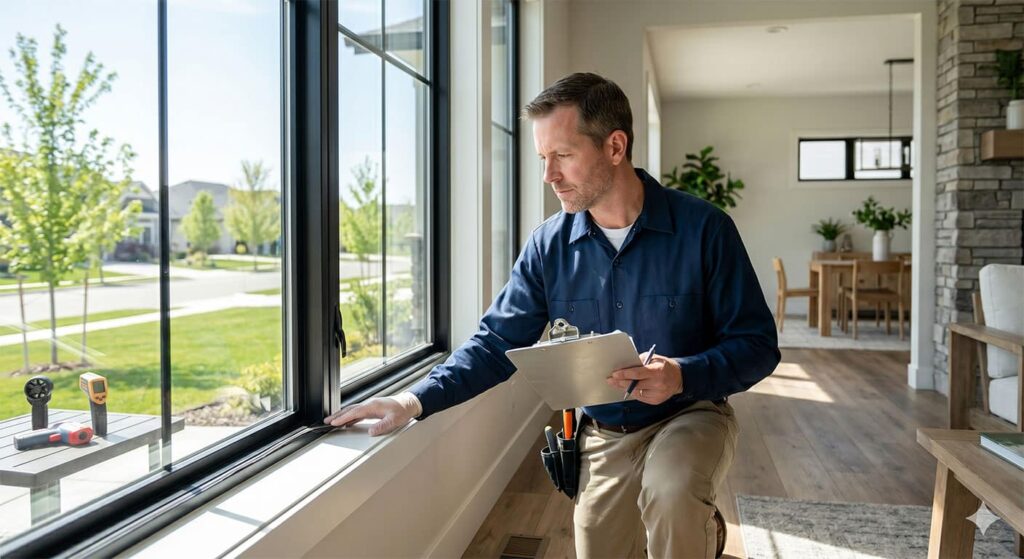
Fall in the Tri-Cities is short and sweet — which means the window for easy, comfortable home maintenance is short too. Twenty minutes with this checklist in September or October can save you a drafty, expensive winter.
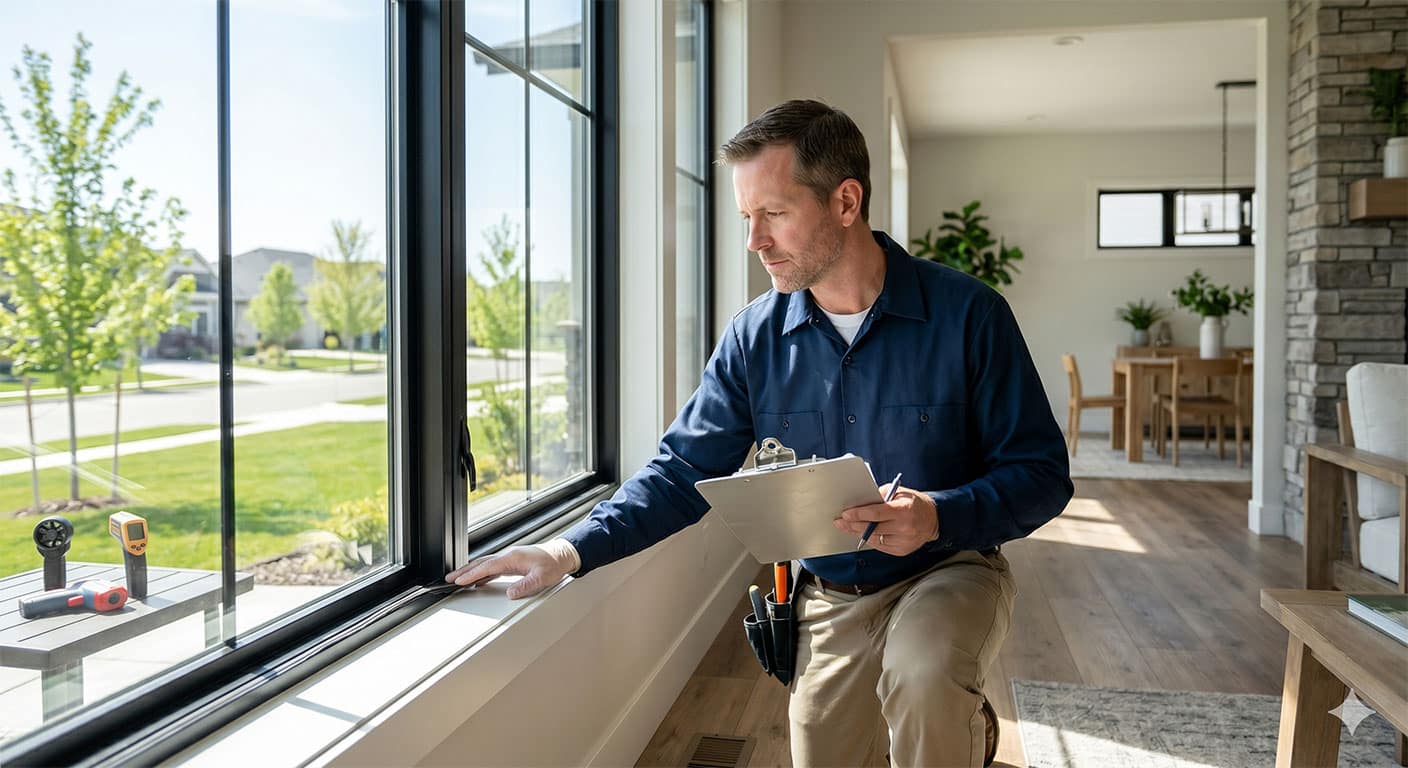
1. Feel for Drafts
On a breezy evening, run the back of your hand around window sashes and door edges. Cold streams mean failed weatherstripping or a sash that no longer seals. Mark each spot with painter’s tape so you can fix them all at once.
2. Check the Weatherstripping
Compressed, cracked, or missing weatherstripping is the most common source of winter heat loss — and one of the cheapest fixes. If you can see daylight around a closed door, you are heating the neighborhood.
3. Look for Fog Between Panes
Condensation between the layers of a double-pane window means the insulated seal has failed and the insulating gas is gone. That window is now barely better than single-pane. Often the glass unit alone can be replaced — without replacing the whole window.
4. Test Every Lock and Latch
A window that does not lock does not fully seal. Locks pull the sash tight against the weatherstripping; a misaligned latch leaves a gap you cannot see but will definitely feel in January.
5. Inspect Exterior Caulking
Our summer heat is brutal on caulk. Look for cracks or gaps where the window frame meets siding. Water that sneaks in this fall becomes ice — and bigger damage — this winter.
6. Do not Forget the Doors
Check thresholds and door sweeps. If the sweep is worn flat or the door drags, adjust or replace it now while the hardware store runs are still pleasant.
When the List Turns Up Problems
Two or three failed items on one window usually signals it is at end of life — especially if the frames are original to a 1970s–90s home. That is exactly what our free in-home assessment is for: honest answers about what can be repaired and what is worth replacing before winter.
Ready for honest answers about your windows, doors, or glass? Schedule a free in-home estimate with our award-winning team. Call us in the Tri-Cities at (509) 586-1177, in Walla Walla at (509) 529-5110, or request your free estimate online.
Related posts